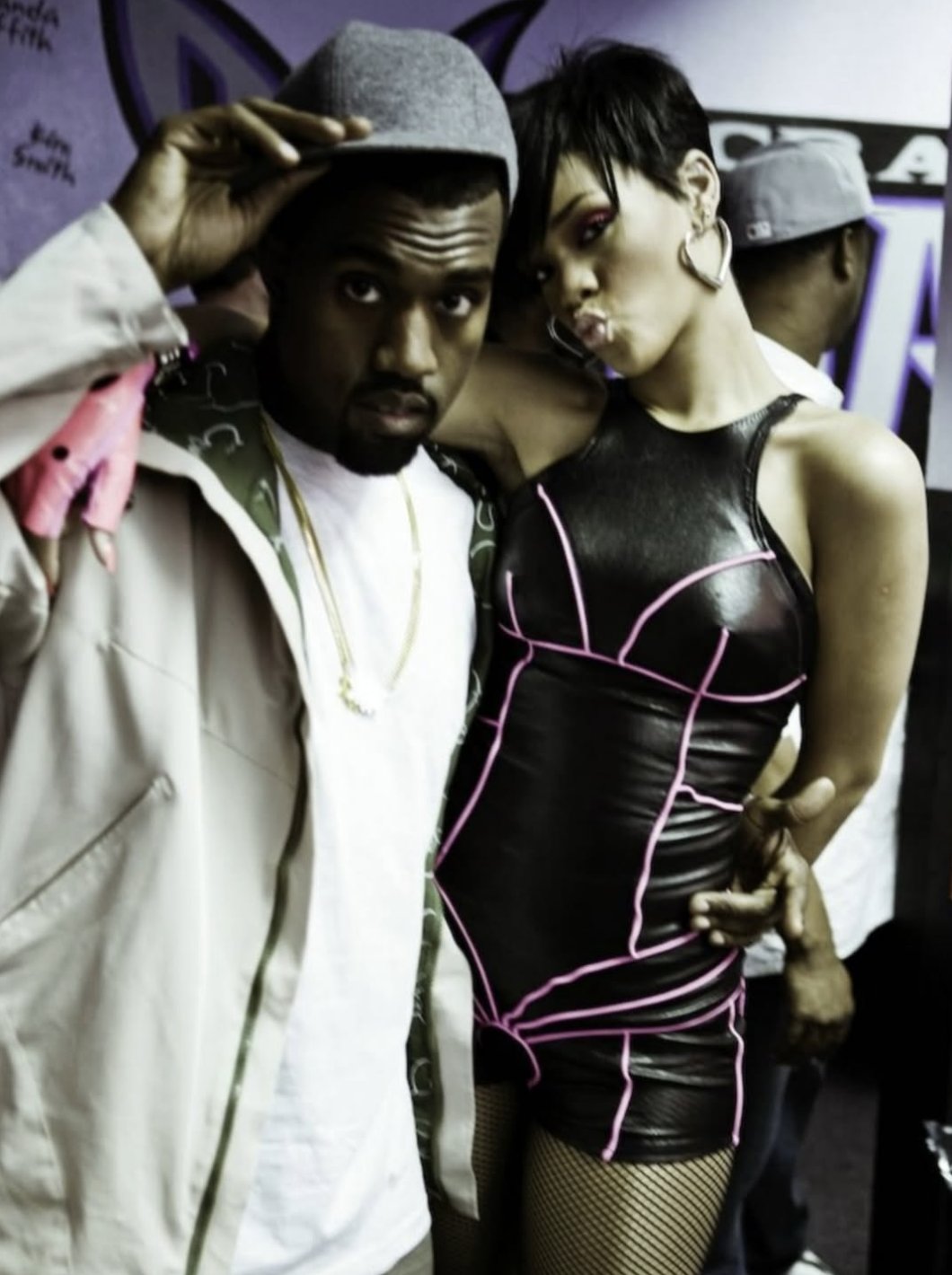
From Rapper to Designer: Hip Hop’s Influence on Fashion
Hip hop has never been just about music. Since its emergence in the Bronx in the 1970s, it has functioned as a cultural engine influencing language, identity, art and fashion. What once began as local street style has evolved into a global industry where musicians are no longer simply ambassadors of fashion - they are among its most influential creators.
Today, some of the most powerful fashion brands connected to hip hop are not owned by traditional designers but by artists themselves. Figures such as Kanye West and Pharrell Williams have transformed their cultural influence into design-driven brands like Yeezy, Billionaire Boys Club and Ice Cream. Behind much of this development stands another key figure whose influence stretches across continents: Nigo, the founder of A Bathing Ape.
Together, these creators helped transform hip hop fashion from a subculture into one of the most dominant forces in global design.
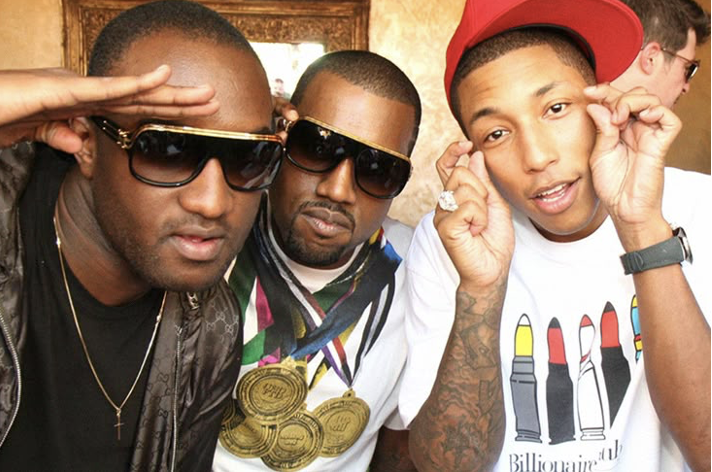
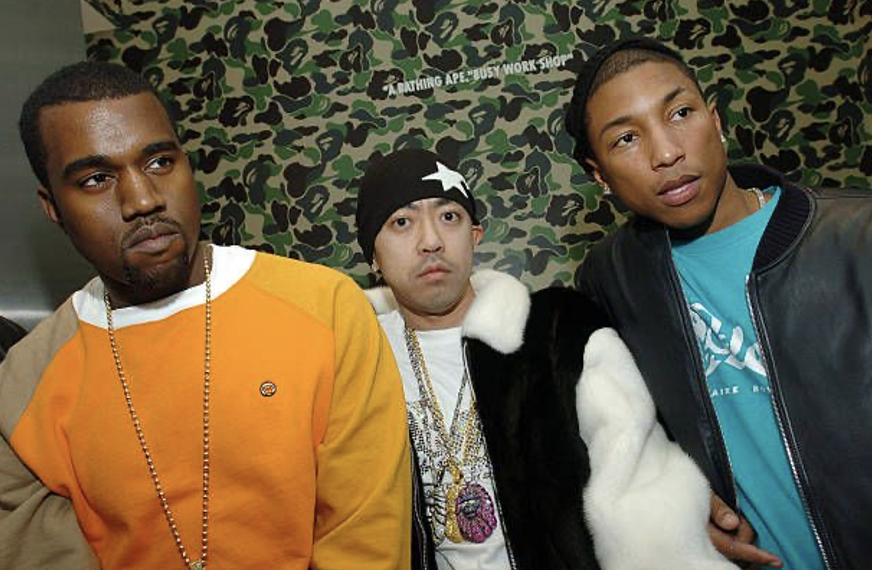
Nigo and the Birth of Modern Streetwear
Long before hip hop artists were launching their own fashion labels, Nigo was shaping the blueprint for modern streetwear in Tokyo. In 1993 he founded A Bathing Ape, commonly known as BAPE, a brand that quickly became iconic for its bold camouflage prints, shark hoodies and colorful graphic designs.
Operating out of the Harajuku district, Nigo developed a strategy that would later become central to streetwear culture: scarcity. By releasing products in extremely limited quantities, BAPE created a sense of exclusivity that made each drop feel like a cultural event. Clothing became not just something to wear but something to collect.
The brand’s influence expanded rapidly once it caught the attention of American hip hop artists. Rappers began wearing BAPE in music videos and public appearances, introducing the Japanese label to a global audience. Artists like Lil Wayne and Kanye West became particularly associated with the brand during the 2000s, helping transform BAPE into a status symbol within hip hop culture.
Through this connection, Nigo played a key role in linking Japanese streetwear aesthetics with American hip hop identity. This cross-cultural exchange would later inspire many of the fashion ventures that followed.
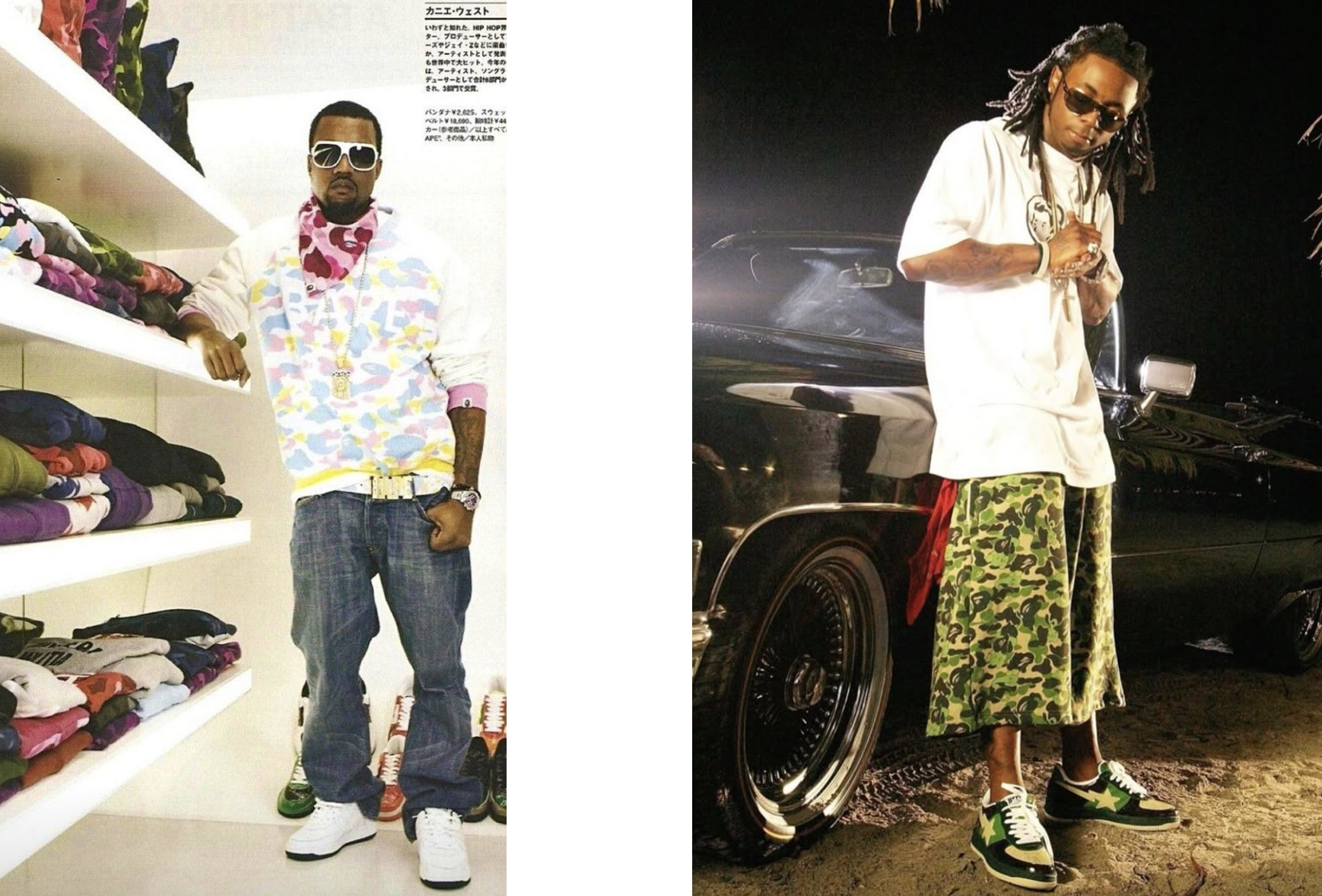
A Bathing Ape Spring / Summer Collection
Kanye West and the Reinvention of Artist-Led Fashion
While Pharrell and Nigo helped pioneer artist-driven streetwear, Kanye West pushed the concept even further by positioning himself as a full-scale fashion designer. With the launch of Yeezy, he introduced an aesthetic that blurred the boundaries between streetwear, minimalism and luxury fashion.
In collaboration with Adidas, Yeezy became one of the most influential sneaker and apparel brands of the 2010s. The brand’s muted color palettes, oversized silhouettes and architectural simplicity contrasted sharply with the graphic-heavy styles that had dominated earlier streetwear and still did during this period.
What made Yeezy particularly unique, however, was the way Kanye West used fashion shows as cultural performances rather than traditional runway events.
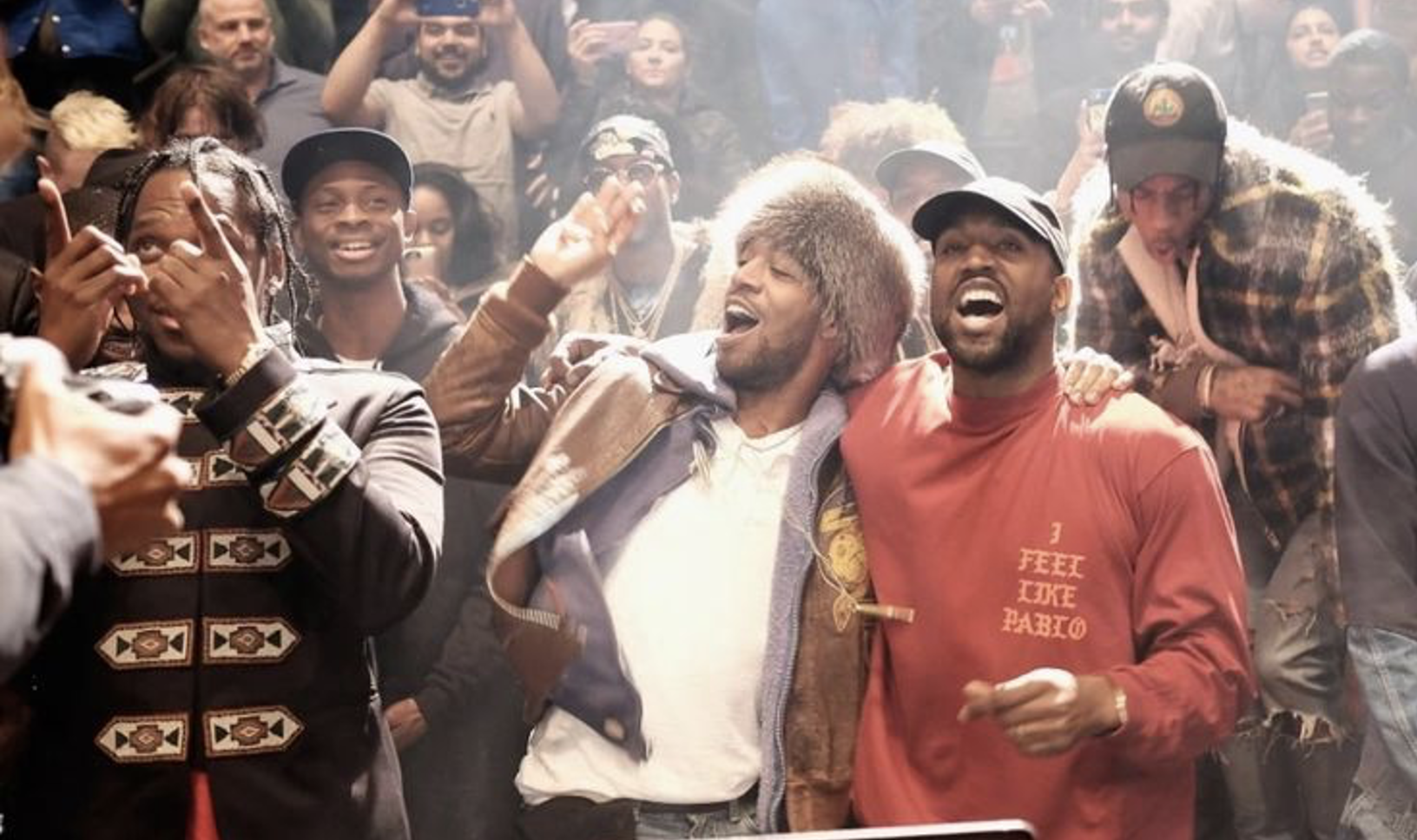
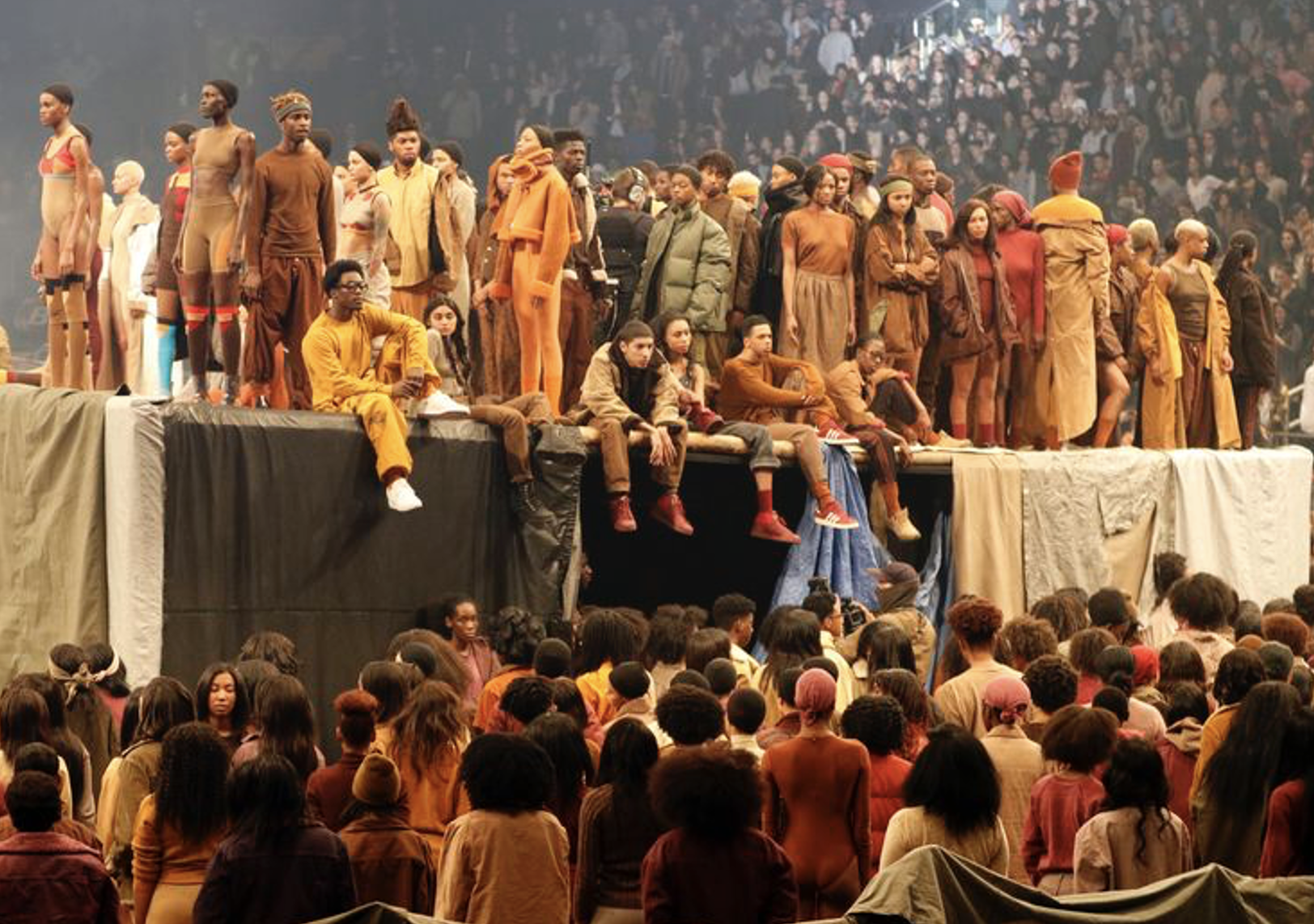
One of the most notable examples was the Yeezy Season 3 presentation at Madison Square Garden in 2016. Instead of a conventional fashion show, West staged a massive multimedia event attended by more than 20,000 people. The show simultaneously premiered his album The Life of Pablo and an iconic snippet of With Them by Young Thug from Slime Season 3, merging music and fashion into a single cultural spectacle.
Hundreds of models stood arranged across a massive stage while the new music played throughout the arena. The presentation blurred the lines between concert, fashion show and performance art, demonstrating how West viewed fashion not merely as clothing but as part of a larger creative ecosystem.
The event illustrated a key shift in hip hop culture: artists were no longer simply influencing fashion trends - they were redefining how fashion itself could be presented and experienced. In this sense, hip hop fashion is no longer simply about clothing. It is about identity, creativity and the ability to transform cultural influence into lasting design.
Rihanna and the Rise of Artist-Owned Luxury
While artists like Kanye West and Pharrell Williams reshaped streetwear, Rihanna took the relationship between music and fashion into the world of luxury. Through her brand Fenty, launched in partnership with LVMH, she became one of the first artists to lead a luxury fashion house within the group.
Unlike traditional celebrity collaborations, Rihanna maintained significant ownership and creative control over the brand, reportedly holding around 50% of Fenty. This level of ownership marked a shift in how artists engage with the fashion industry, not merely as ambassadors, but as business partners and decision-makers.
Fenty challenged established norms within luxury fashion by emphasizing inclusivity, diversity and a direct connection to contemporary culture. In doing so, Rihanna expanded the blueprint established by hip hop artists, demonstrating that musicians could operate at the highest levels of the global fashion industry while retaining both creative and financial influence.